Why Do My Drains Smell? Common Causes and Fixes
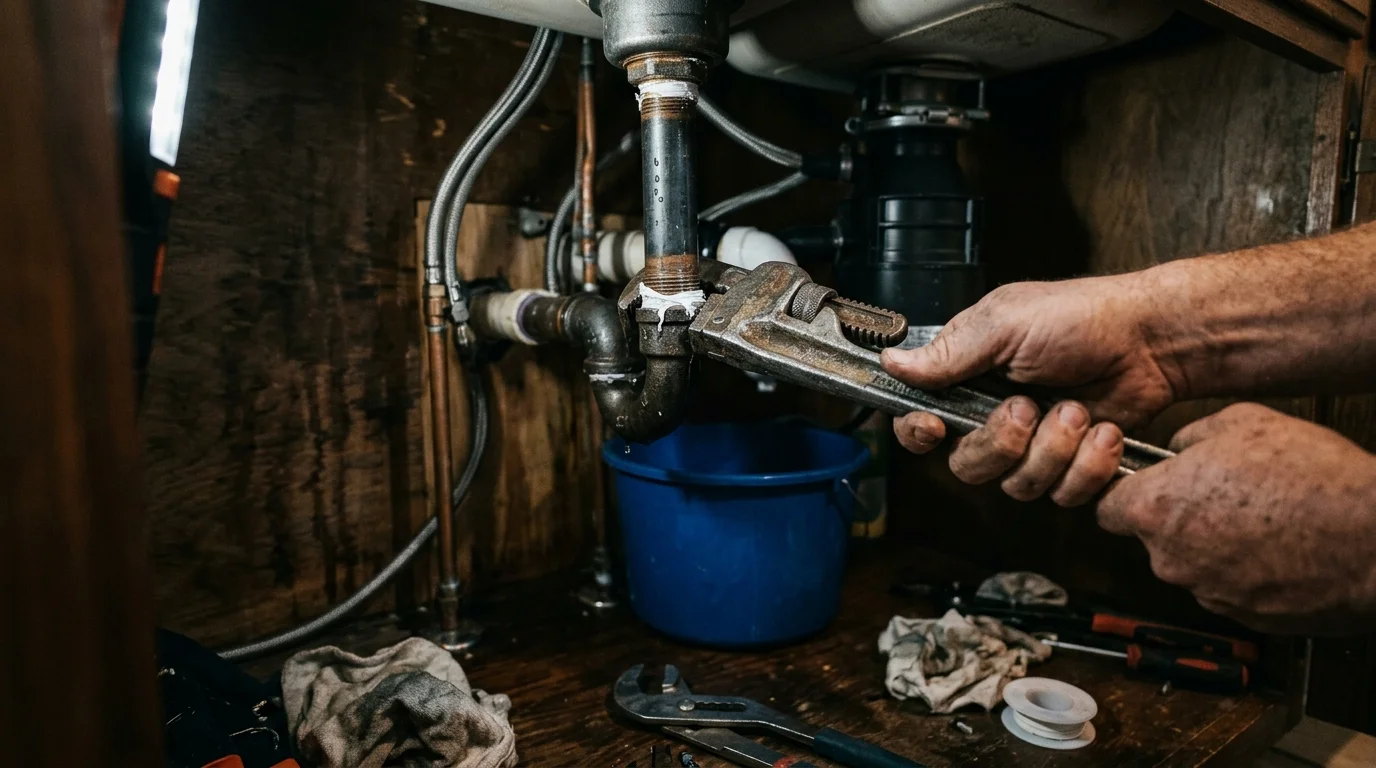
Smelly drains can make even a spotless home feel unpleasant. The odor usually drifts up from a kitchen sink, shower, or floor drain, and it is often strongest when you run water. Many people try a quick fix, like a splash of bleach, and find the smell is back within days.
If you ignore it, the cause behind the smell usually gets worse. Grease and hair keep piling up, a partly blocked drain slows down, and eventually wastewater can back up. In some homes the smell is sewer gas (the foul-smelling gas that forms inside sewer pipes), and you should not breathe that in for long.
The good news is that most drain odors come from a few simple causes, and many are safe to fix yourself. This guide explains how your drains work, what each smell usually means, how to clean them safely, and when a Chino plumber should take over.
How Your Drains Work and Why They Smell
Your drain system is built to carry wastewater away while keeping sewer gas out of your home. Under every sink, tub, and shower sits a curved pipe called a P-trap, which holds a small plug of water. That water acts as a seal, so the P-trap blocks sewer gas from rising into the room. Behind the walls, vent pipes let air into the system so water flows smoothly, and drain pipes carry everything to the main sewer line.
Drains smell for two basic reasons. Either something inside the pipe is rotting, such as food, grease, or hair, or sewer gas is getting past a broken seal. Knowing which one you have decides which fix will work.
What Causes Smelly Drains?
Bacteria and Biofilm Buildup
Biofilm is a slimy layer of bacteria that grows on pipe walls. It feeds on soap scum, hair, and body oils, so it builds up fastest in bathrooms. As the bacteria break down this residue, they release a musty or sour smell. Because biofilm sticks to the pipe, a quick rinse does not remove it, which is why the odor keeps returning.
Food Waste, Grease, and Oil
Food scraps and grease are the most common cause of kitchen drain odors. Grease cools and sticks to the pipe wall, and food particles cling to it and rot. A garbage disposal makes this worse, because residue collects under its rubber splash guard and around the grinding chamber. The result is a rotten-food smell that gets stronger as the buildup grows.
A Dry or Damaged P-Trap
A dry P-trap lets sewer gas escape into your home. The water seal slowly evaporates when a drain goes unused for weeks, such as a guest shower or a laundry floor drain. A leaking trap can also lose its water. Once the seal is gone, nothing stands between the sewer and your living space.
Blocked or Partly Blocked Drain Pipes
A partial blockage traps waste that rots and smells. Hair, grease, and soap slowly narrow the pipe, so water drains slowly and may gurgle. Because the clog keeps feeding the odor, cleaning only the surface will not stop the smell for long.
Blocked Plumbing Vents
A blocked plumbing vent can pull water out of your P-traps and let sewer gas in. Vents balance air pressure in the pipes, and leaves, debris, or a bird's nest can block them at the roof. When that happens, drains often gurgle and traps can empty. Vent problems are hard to spot and unsafe to check from a roof, so leave them to a professional.
Damaged Sewer Pipes or Faulty Toilet Seals
Cracked sewer pipes and failed toilet seals let sewer gas and wastewater leak out. The toilet wax ring is the seal between the toilet and the drain pipe, and when it fails you may smell sewage near the base. Tree roots can also crack or block the sewer line (the large pipe carrying waste from your home to the city system). These problems cause persistent sewage smells and need professional inspection.
What Your Smell and Its Location Can Tell You
The type and location of a smell give useful clues, but they never prove the cause on their own. A single symptom can have several explanations, so treat this table as a starting point.
| What you notice | Possible cause | Best next step |
|---|---|---|
| Kitchen sink smells like rotten food | Grease, food residue, or biofilm | Clean the strainer and stopper |
| Bathroom sink smells musty | Biofilm or a dirty overflow opening | Clean the stopper and overflow |
| Unused shower smells like sewage | Dry P-trap | Run water for a minute; call us if it persists |
| Rotten-egg smell | Sewer gas | Check the P-trap; call a plumber if it continues |
| Several drains smell at once | Shared vent, drain, or sewer line problem | Book a plumbing inspection |
| Smell with gurgling or slow drainage | Blockage or vent fault | Stop repeating DIY treatments |
| Sewage smell near the toilet | Failed toilet seal or nearby pipe issue | Have the toilet inspected |
| Smell with wastewater backing up | Serious blockage | Stop using the fixtures and call right away |
How to Find the Source of the Smell
Finding the source first saves time and avoids fixing the wrong thing. Work through these steps in order:
1. Smell each drain and note which one is strongest.
2. Decide whether one drain or several are affected.
3. Look for visible hair, food, or residue on strainers and stoppers.
4. Think about whether any drain has been unused, which points to a dry P-trap.
5. Note any slow draining, gurgling, leaks, or backups, because these suggest a deeper problem.
If you see warning signs in step 5, stop investigating and call a plumber. Do not take apart pipes or use a flame to track down a smell.
How to Get Rid of Drain Smells Safely
Start with the simplest fix that matches your cause. These steps are safe for most homes:
• Clean stoppers and strainers. Remove the visible hair and residue, then wash removable parts with dish soap and a brush.
• Flush with hot tap water. Hot water from the tap can loosen light residue. Avoid boiling water, because it can crack porcelain and soften some plastic pipes.
• Refill a dry P-trap. Run water in unused drains for about a minute to restore the seal.
• Use an enzyme cleaner. Enzymes are natural substances that break down organic buildup. Follow the label, and know that they will not repair damaged pipes.
Baking soda and vinegar can freshen a drain, but they rarely clear deeper blockages. Bleach will not fix the smell either, because it does not remove the grease or biofilm causing it.
Safety first: Never mix bleach with vinegar, ammonia, or other cleaners, since this can create toxic fumes. If you smell strong sewage or rotten eggs and feel dizzy, get a headache, or have eye or throat irritation, leave the area and call for help.
When to Call a Professional Plumber
Call a plumber when the problem points to something inside the walls or underground. A cleaner cannot reach these areas, so repeated DIY attempts only waste time and money. Watch for these signs:
• The smell returns after cleaning or refilling the P-trap.
• Several drains smell at the same time.
• Drains gurgle or empty slowly.
• You see sewage backup or notice a strong sewer smell.
A plumber diagnoses the cause before recommending any repair. Drain snaking uses a flexible tool to break up or pull out clogs. A CCTV drain inspection sends a small camera into the pipe to show cracks or blockages, and smoke testing helps locate leaks. Hydro-jetting uses high-pressure water to wash out heavy buildup. Not every smell needs every method, and a good plumber matches the method to the problem.
If you manage rental properties, respond to tenant reports of sewer smells promptly, since leaks and backups can lead to bigger repair bills and health concerns. Acting early is almost always cheaper than waiting for a backup.
How to Prevent Drain Smells From Coming Back
Prevention works because it removes the food that bacteria and buildup depend on. A few habits go a long way:
• Scrape plates into the trash and never pour grease down the kitchen sink.
• Clean sink and shower strainers weekly to stop hair and soap from collecting.
• Run water in rarely used drains once a month to keep P-traps full.
• Fix slow drains early, before they become full blockages.
• Schedule professional drain cleaning if smells keep returning.
These habits reduce most odors, but they cannot prevent every plumbing fault, such as a cracked pipe.
Frequently Asked Questions
Why does my bathroom smell like sewage when it's not being used?
An unused bathroom usually smells like sewage because the P-trap has dried out. The water seal evaporates over time, which lets sewer gas rise through the drain. Run water in every sink, shower, and floor drain for a minute. If the smell stays, the cause may be a failed toilet seal or a vent problem.
Will pouring bleach down the drain fix the smell?
Bleach will not fix a drain smell for long. It can disinfect the surface, but it does not dissolve grease or remove biofilm stuck to the pipe wall. It is also dangerous when mixed with other cleaners. Use a cleaning brush or an enzyme cleaner instead.
Why does only one drain in my house smell bad?
When only one drain smells, the cause is usually local to that drain. Look for buildup on the stopper, a dirty overflow, or a dry P-trap. If cleaning and refilling the trap do not help, the pipe behind that drain may be partly blocked.
Why do several drains smell at the same time?
Several smelly drains usually share a cause, such as a blocked vent or a problem in the main sewer line. Because the drains connect to the same system, one fault can affect many fixtures. This is a good time to book an inspection.
Can drain smells be harmful?
Some can be. A mild food smell is mostly a nuisance, but sewer gas can cause headaches, nausea, and irritation if you breathe it for long. Leave the area if you feel unwell, and call a professional to find the leak.
Get Help With Persistent Drain Odors
Most drain smells come from simple buildup or a dry P-trap, and cleaning solves them. Smells that keep returning, affect several drains, or come with gurgling usually point to a deeper plumbing problem. If that sounds like your home, our Chino team can find the cause and explain your options before any work begins. You can learn more about our professional drain cleaning or contact Chino Drain Pros whenever you are ready.